Iso Grifo Gran Lusso
From the manufacture of radiators and motorcycles, through the iconic three-wheeled Isetta, to the grand touring elegance of the Grifo. This is the story of the Milanese company Iso Automobili S.p.A., founded by Renzo Rivolta
The Iso Grifo embodies the spirit of the roaring 1960s, a time when owning a car was no longer enough. An automobile was expected to convey something more: success, confidence, refinement. The Grifo, conceived by Bizzarrini and shaped by Bertone, challenged the established order with a radical idea: American V8 power and reliability combined with lines drawn by a young talent, Giorgetto Giugiaro.
Its 5.3-litre Chevrolet V8 was set in a then-radical front-mid-engine layout, delivering a driving experience that was remarkably balanced and effective. A new vision of granturismo, engineered for real-world use: understately aggressive. muscular without excess, the Ferrari and Maserati nemesis.
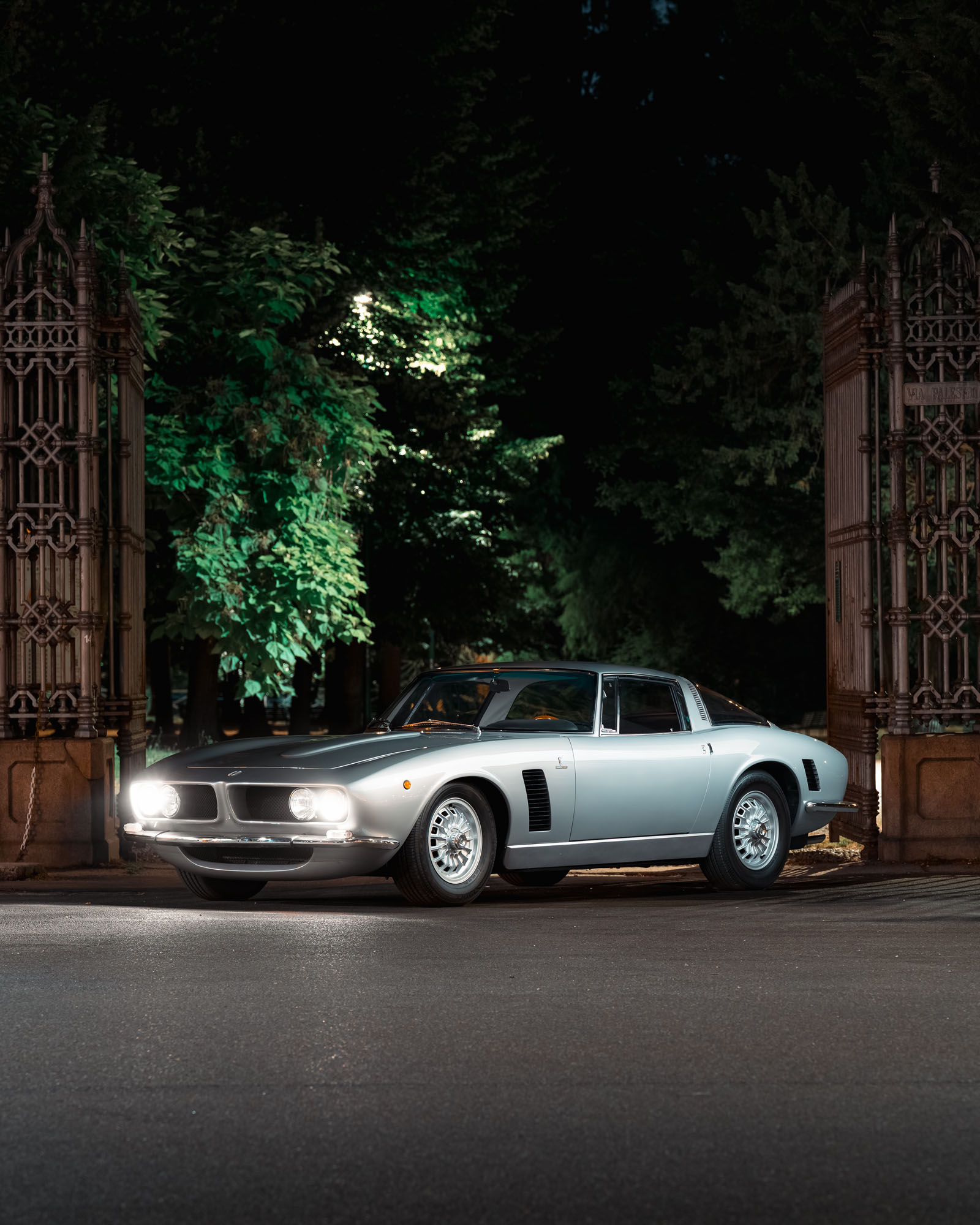
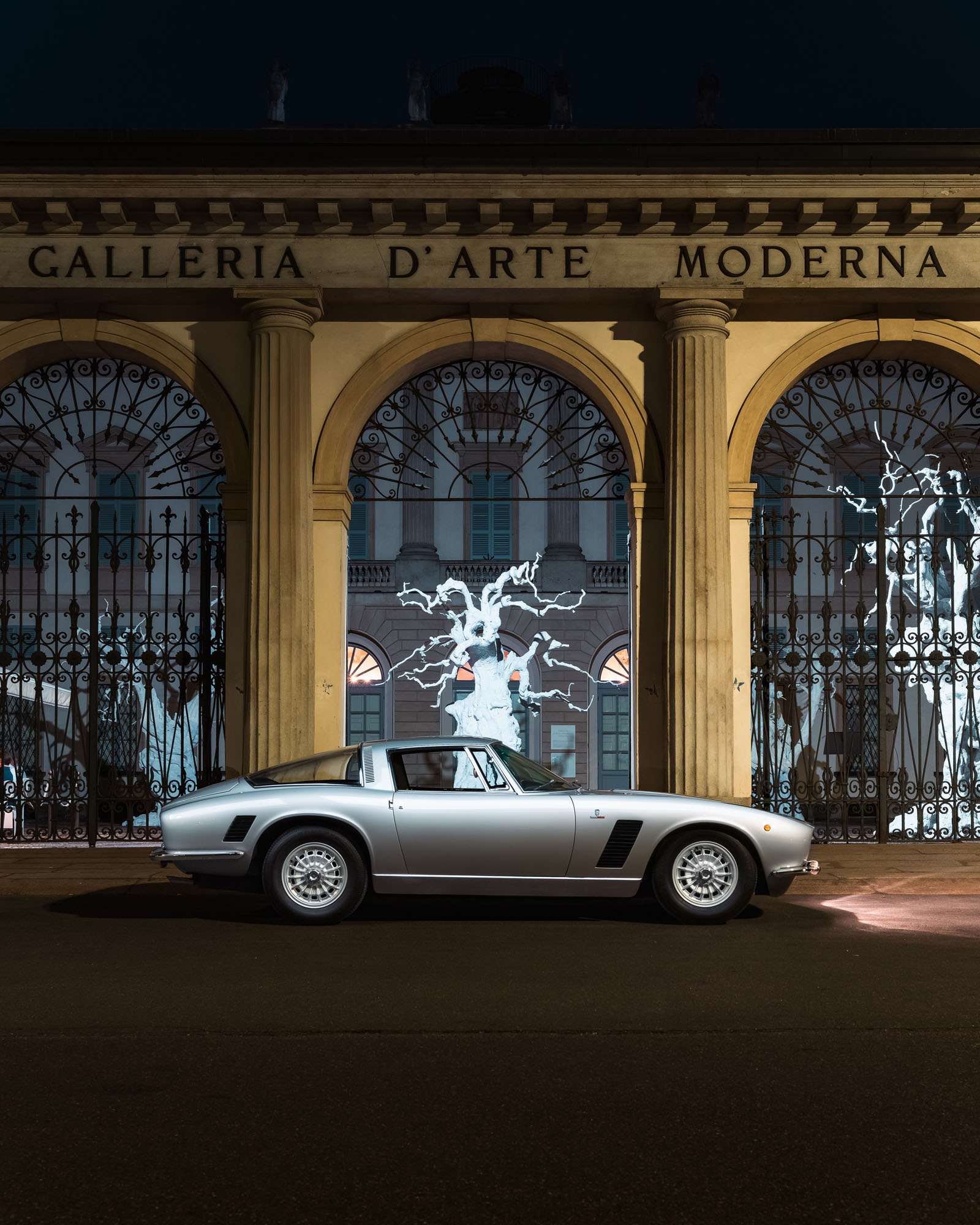
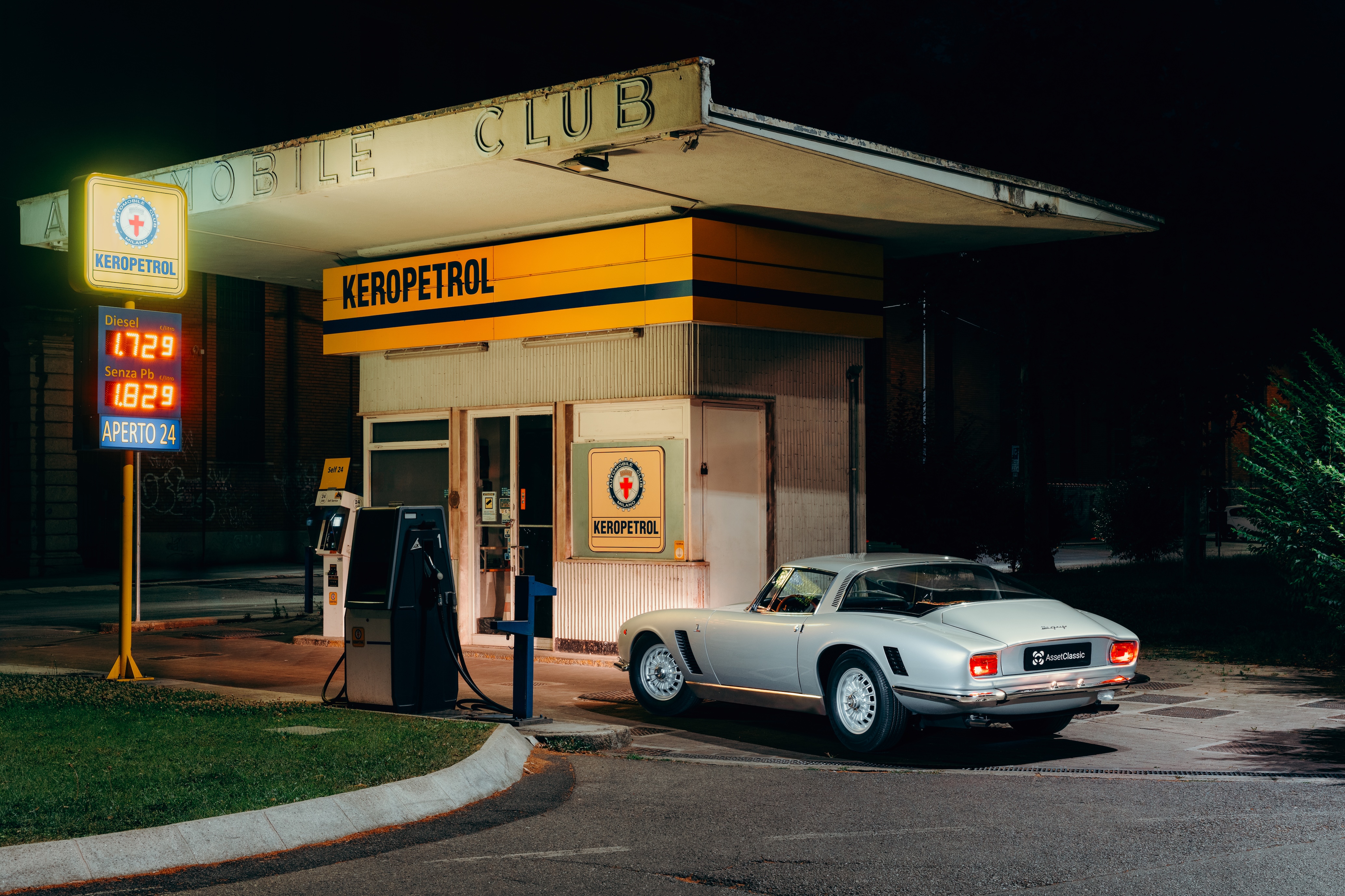
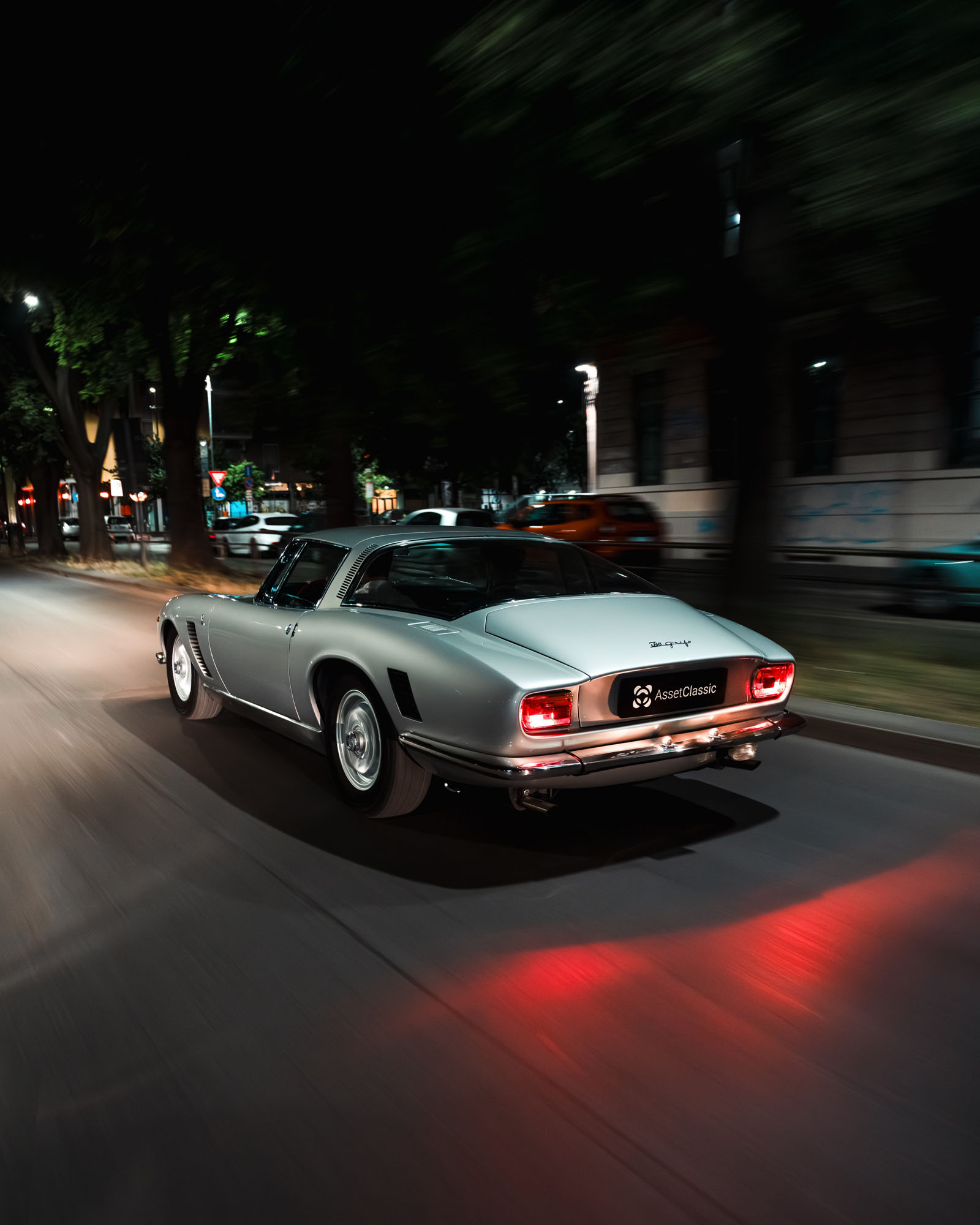
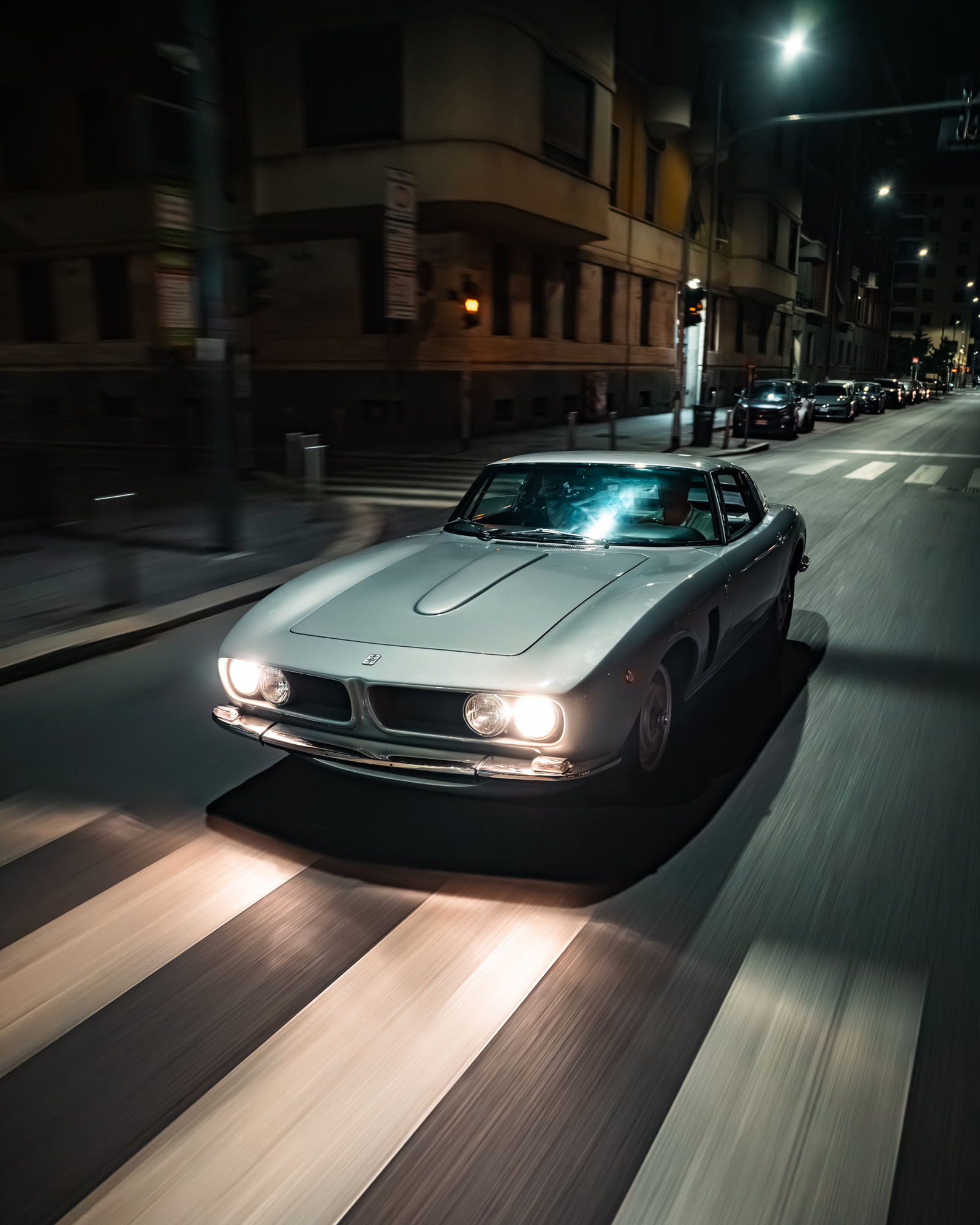
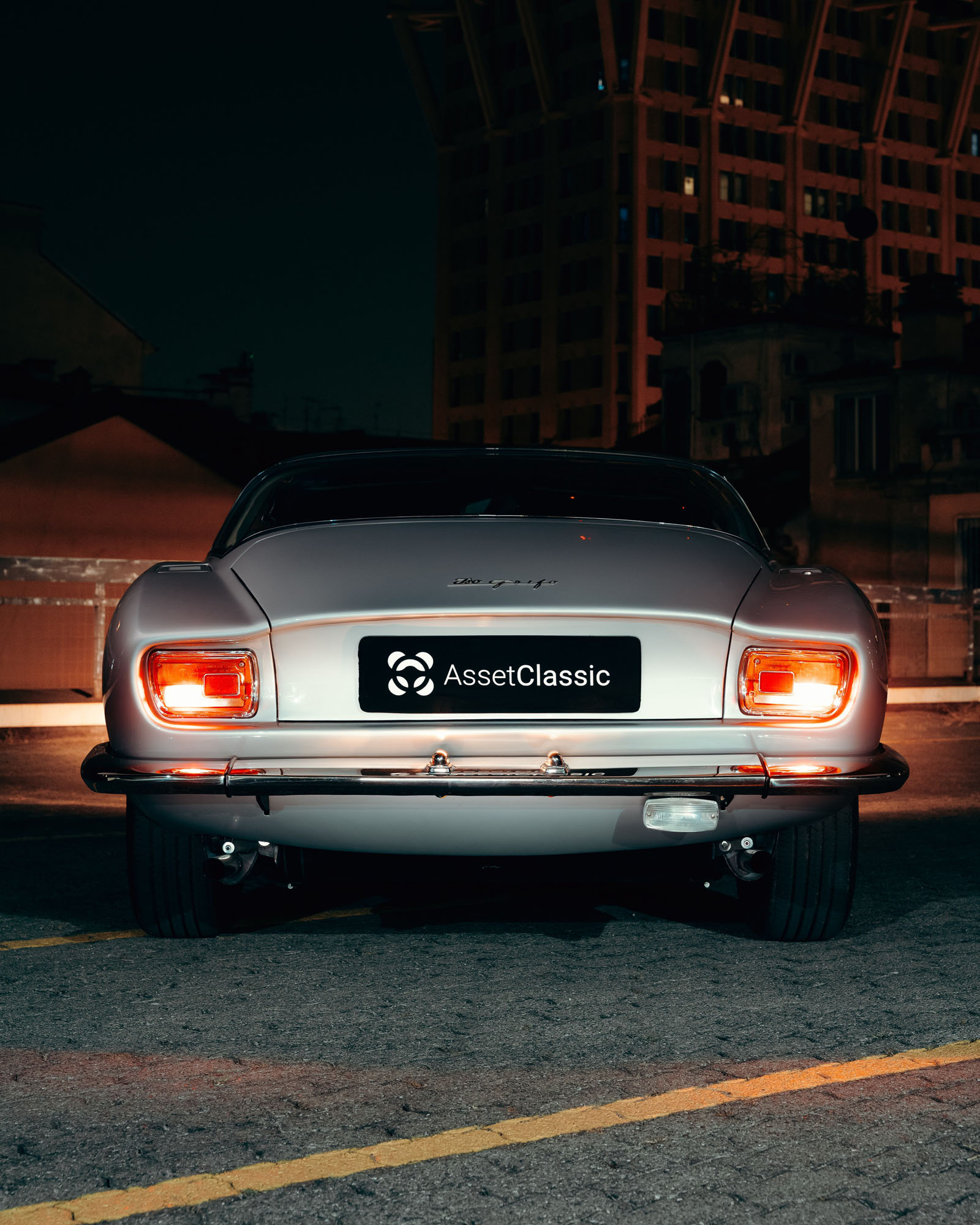
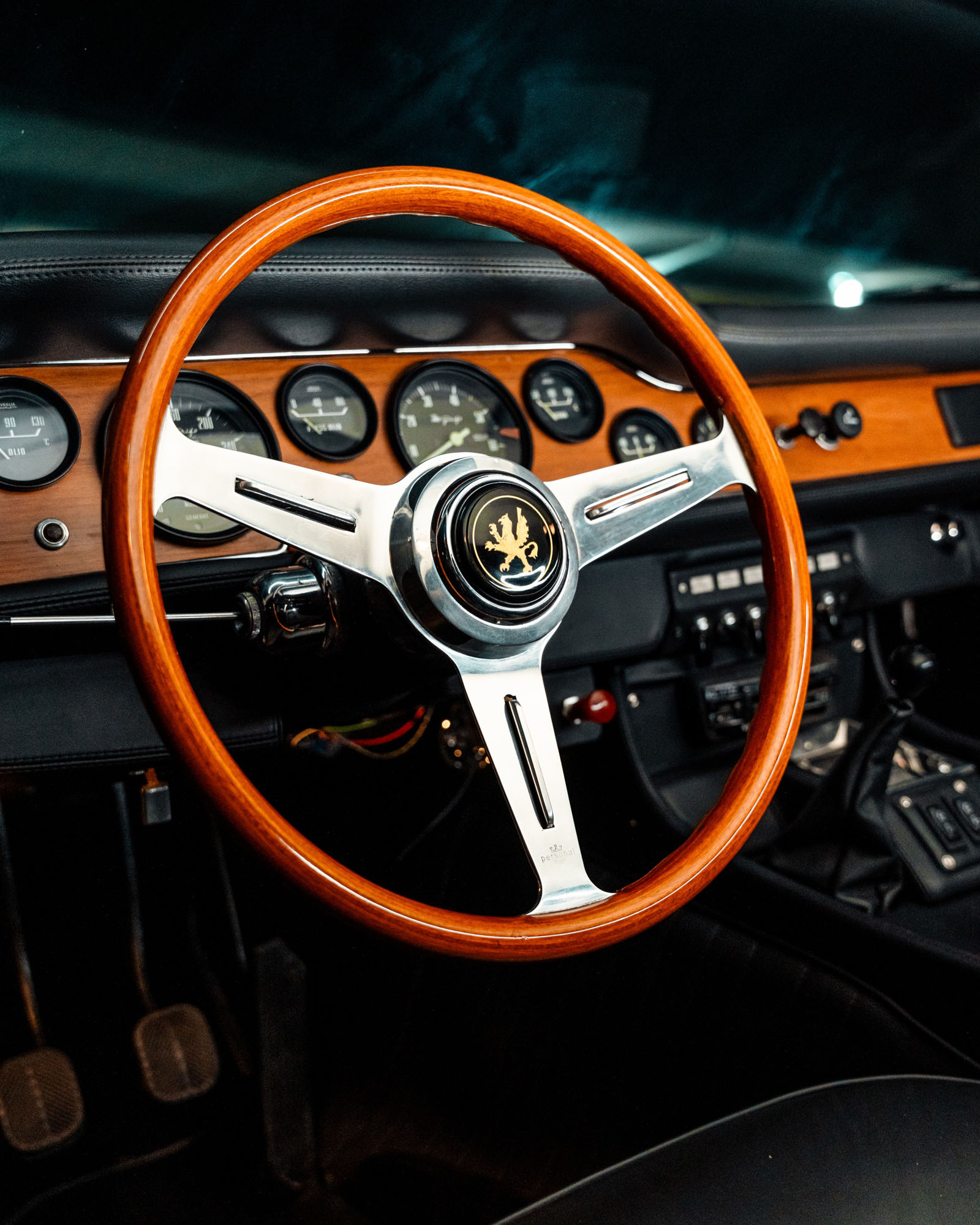
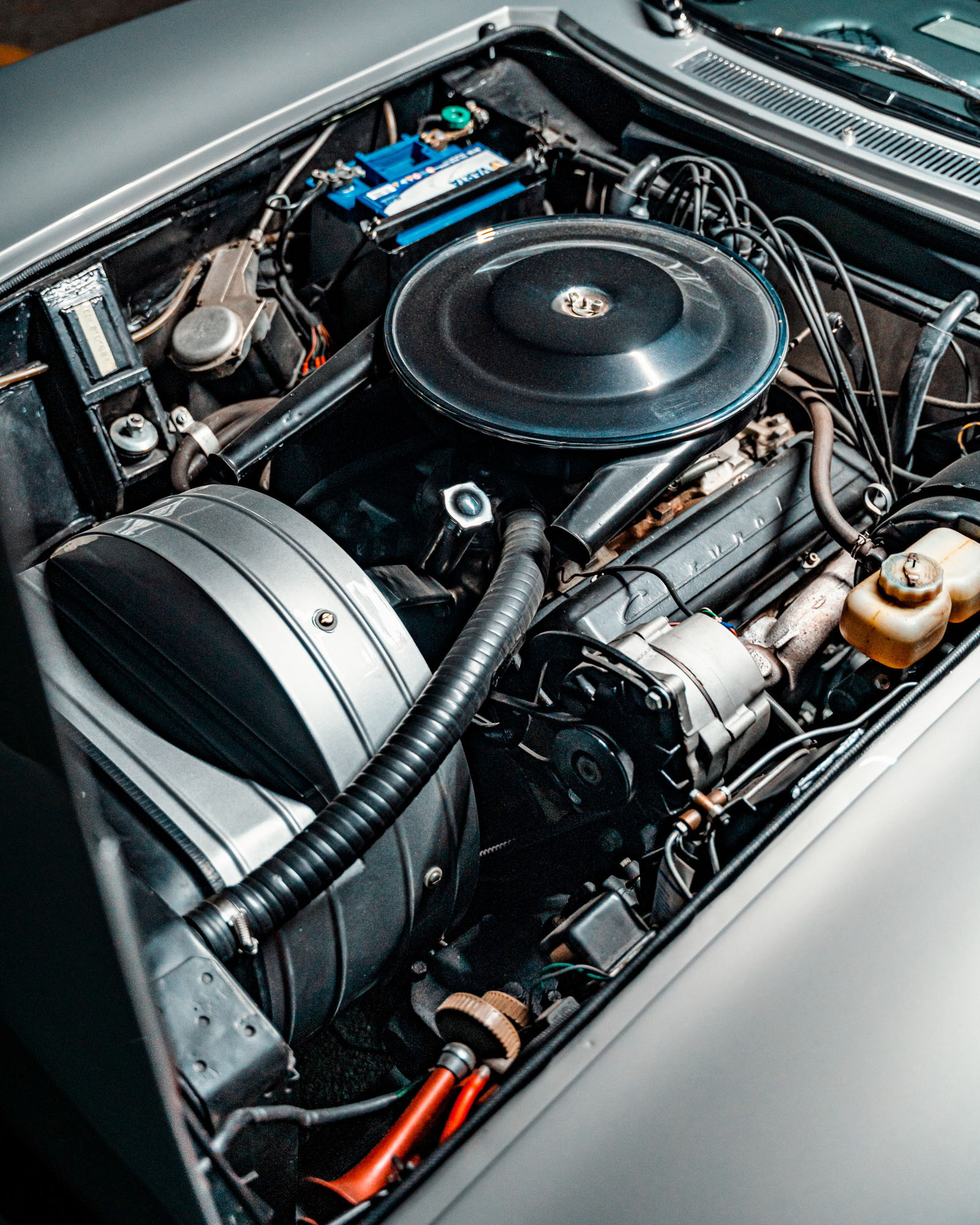
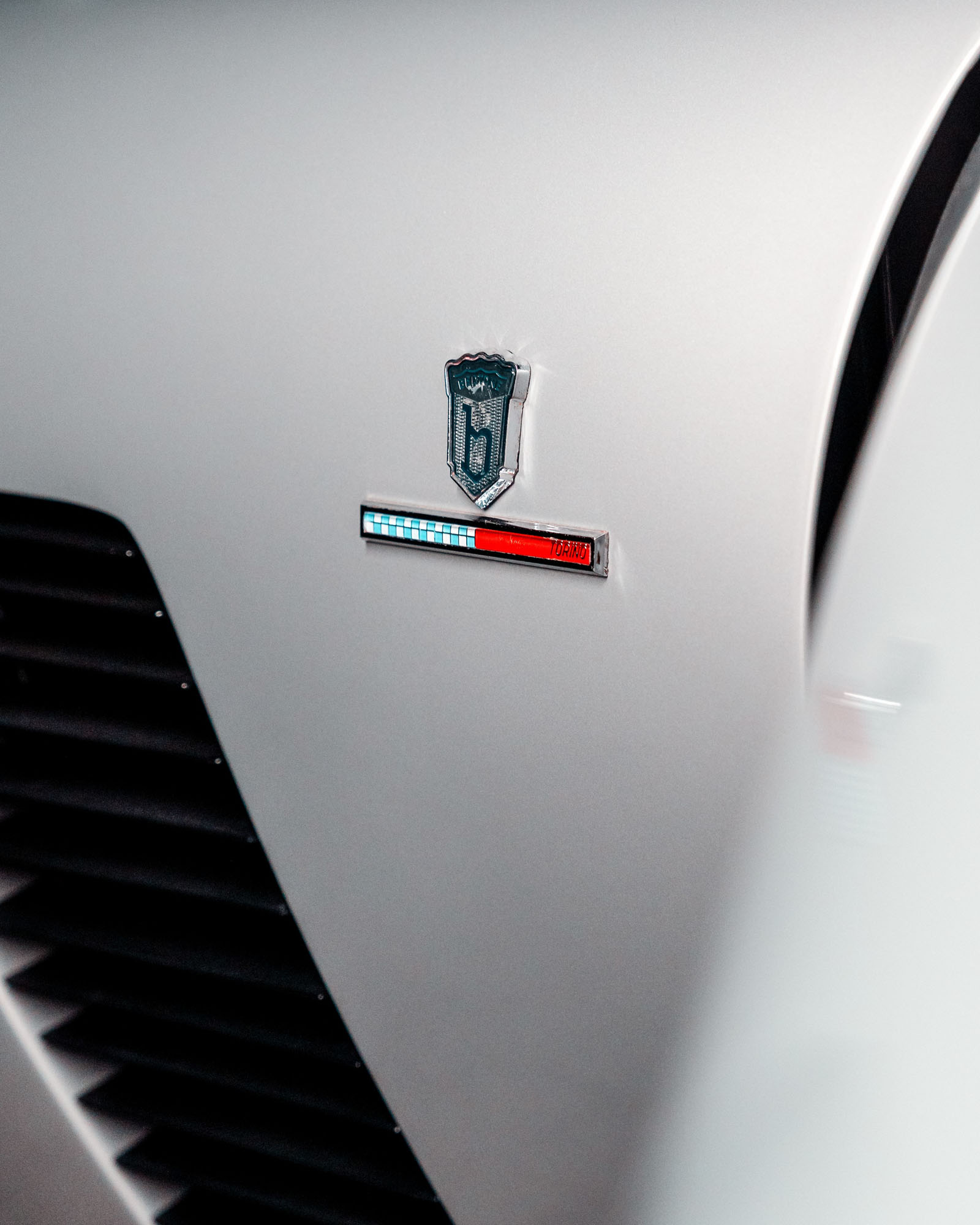
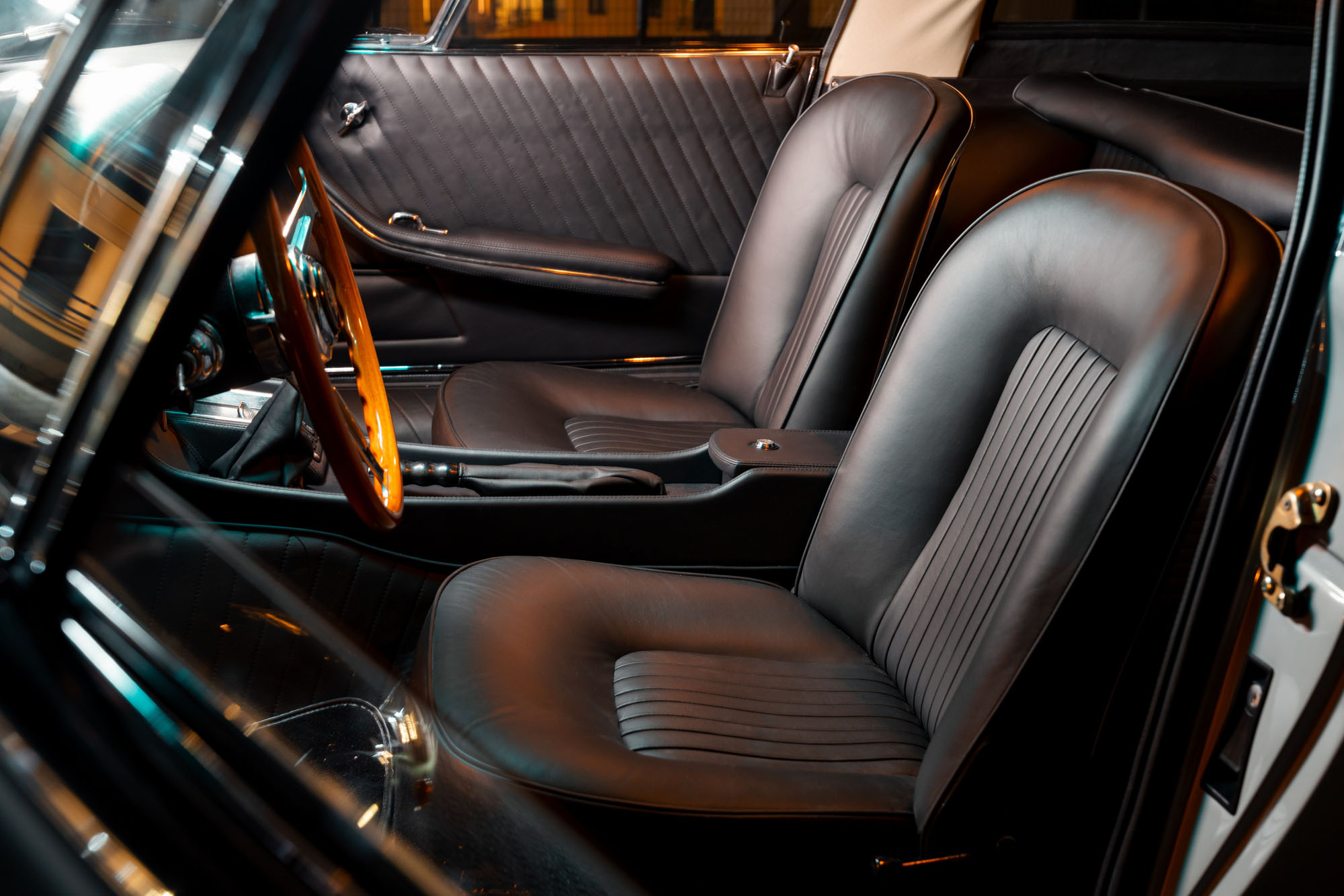
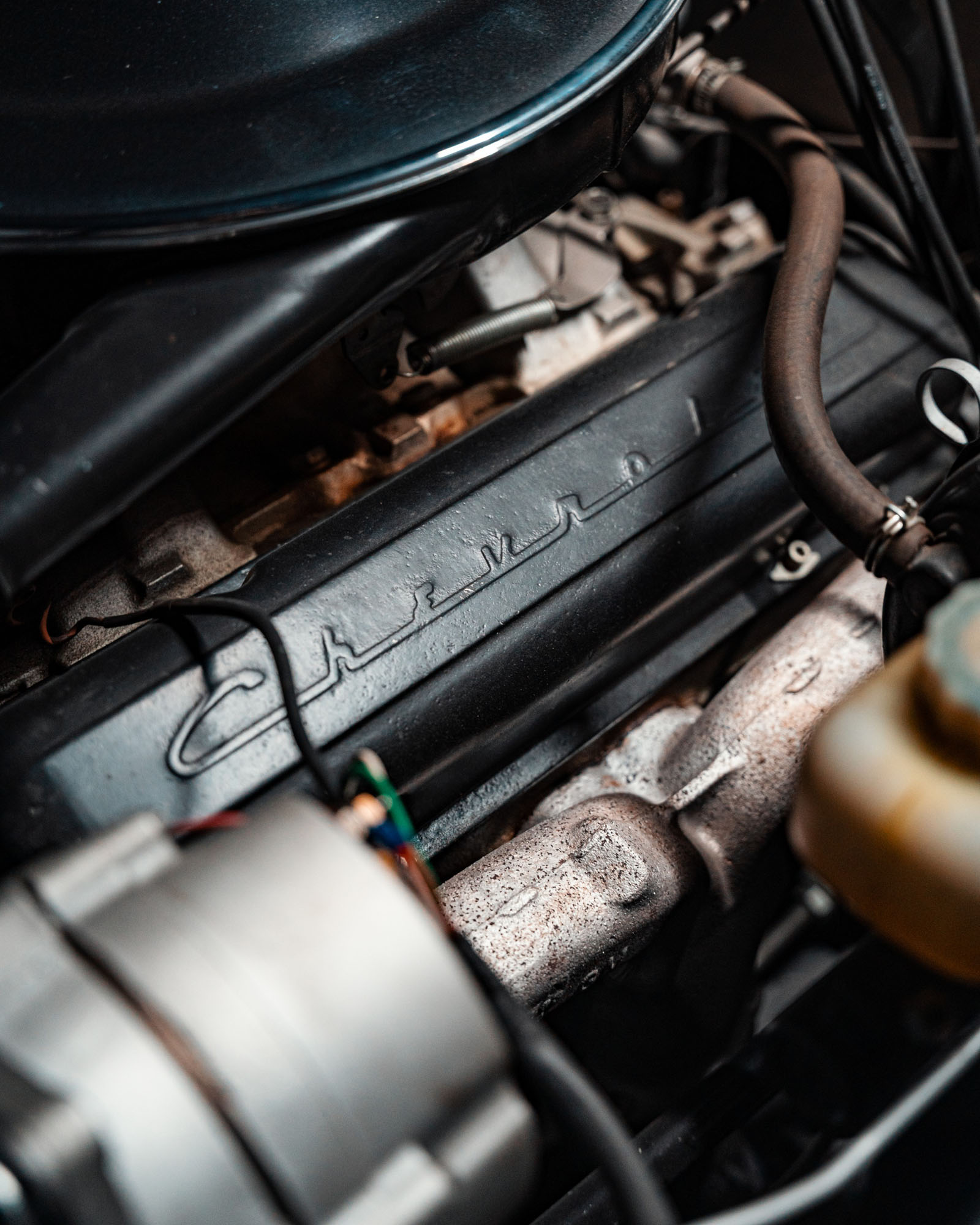
In 1963, Giotto Bizzarrini designed the Iso Grifo A3/L (L standing for Lusso) for Renzo Rivolta, who was seeking a worthy companion to the Iso Rivolta GT, but in the form of a pure two-seat sports car. At the same time, a competition version was unveiled: the A3/C (C standing for Corsa). This model featured a new riveted aluminum body mounted to the chassis and was presented by Bizzarrini as the second generation of the 250 GTO concept.
As Rivolta focused his efforts on the development and commercial success of the A3/L, Bizzarrini devoted himself to promoting the A3/C on the racing stage. The divergence in vision between the two men grew steadily and eventually led to a formal split. As a result, the A3/L, later refined into the Grifo Gran Lusso, was produced at Iso’s factory in Bresso, while the A3/C was built at Piero Drogo’s Sports Cars workshop in Modena, under Giotto Bizzarrini’s supervision. In 1964, the A3/C prototype, producing around 400 horsepower and weighing close to 1,000 kilograms, competed at the 24 Hours of Le Mans, driven by Edgar Berney and Pierre Noblet, performing brilliantly until a braking issue forced a two-hour stop for repairs.
Later that same year, after founding Bizzarrini Prototipi, Giotto further refined the A3/C and established his own assembly line. The car was reborn as the Bizzarrini 5300 GT, offered in both Strada and Corsa versions.
The first series of the Iso Grifo was equipped with the Chevrolet 327 engine, already used in earlier Iso models. It was offered in three power outputs, 300, 350, and 365 horsepower, achieved through component changes, including a larger carburetor. In the 350 and 365 horsepower versions, the car was capable of reaching 110 km/h (68 mph) in first gear. Rivolta intended to present the Grifo in three different body styles. At the 1963 Turin Motor Show, the coupé was unveiled. An exclusive Spyder followed at the 1964 Geneva Motor Show. In October 1966, at the Turin Motor Show, the first Grifo Targa (chassis no. 097) was presented.
The early 1970s marked the beginning of serious difficulties for the Milanese manufacturer. In 1972, following a deterioration in relations with Chevrolet, Iso began fitting its final models with the Ford Boss 351 small-block engine. These cars can be identified by an even more pronounced hood bulge. Iso Rivolta ceased operations in 1974, having produced approximately 1,700 vehicles, as mounting financial pressures, further intensified by the oil crisis, brought the company’s history to a close.
Iso Grifo
Paint color Argento Indianapolis
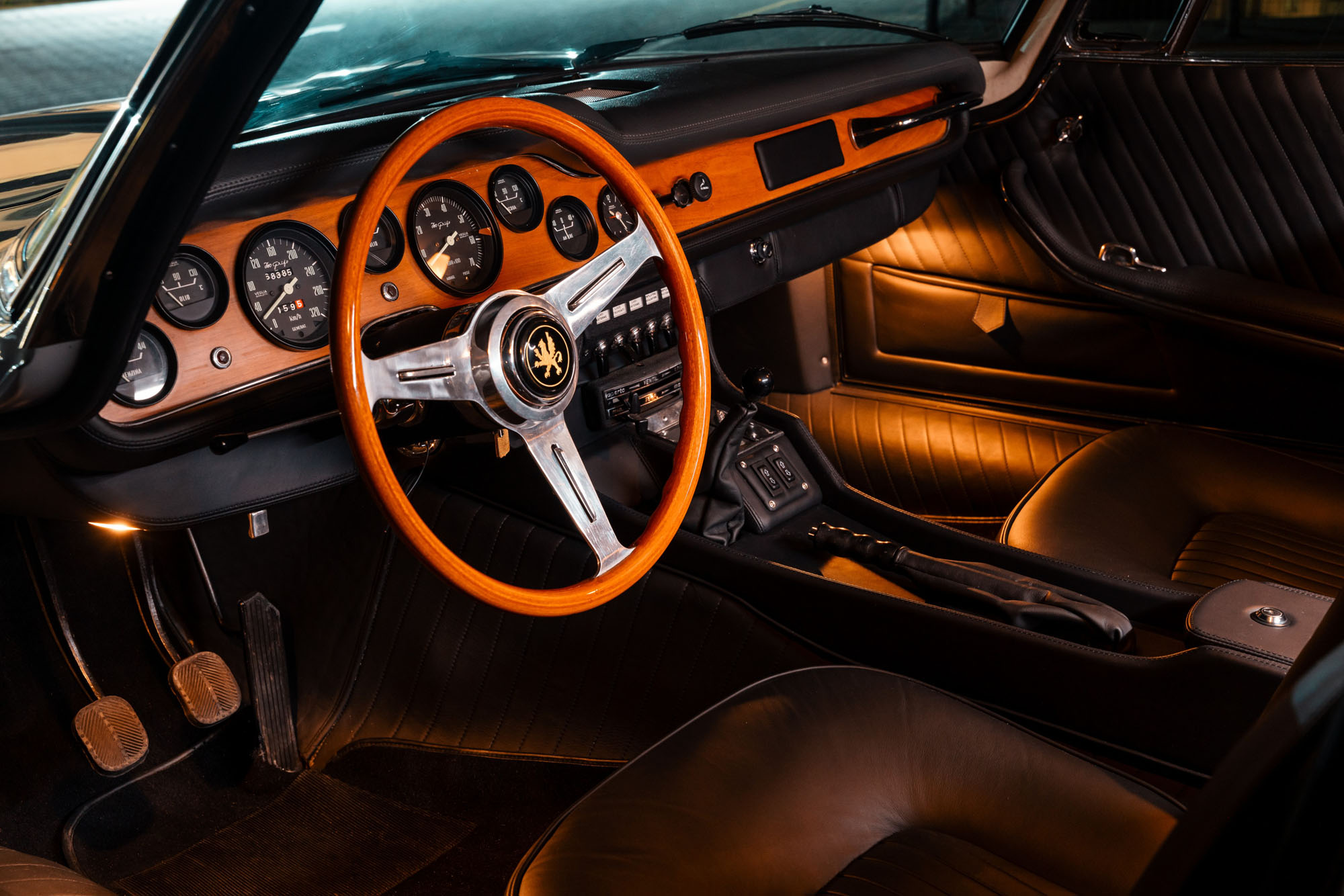
Interiors Black Leather
Originally delivered in Germany
In perfect mechanical order
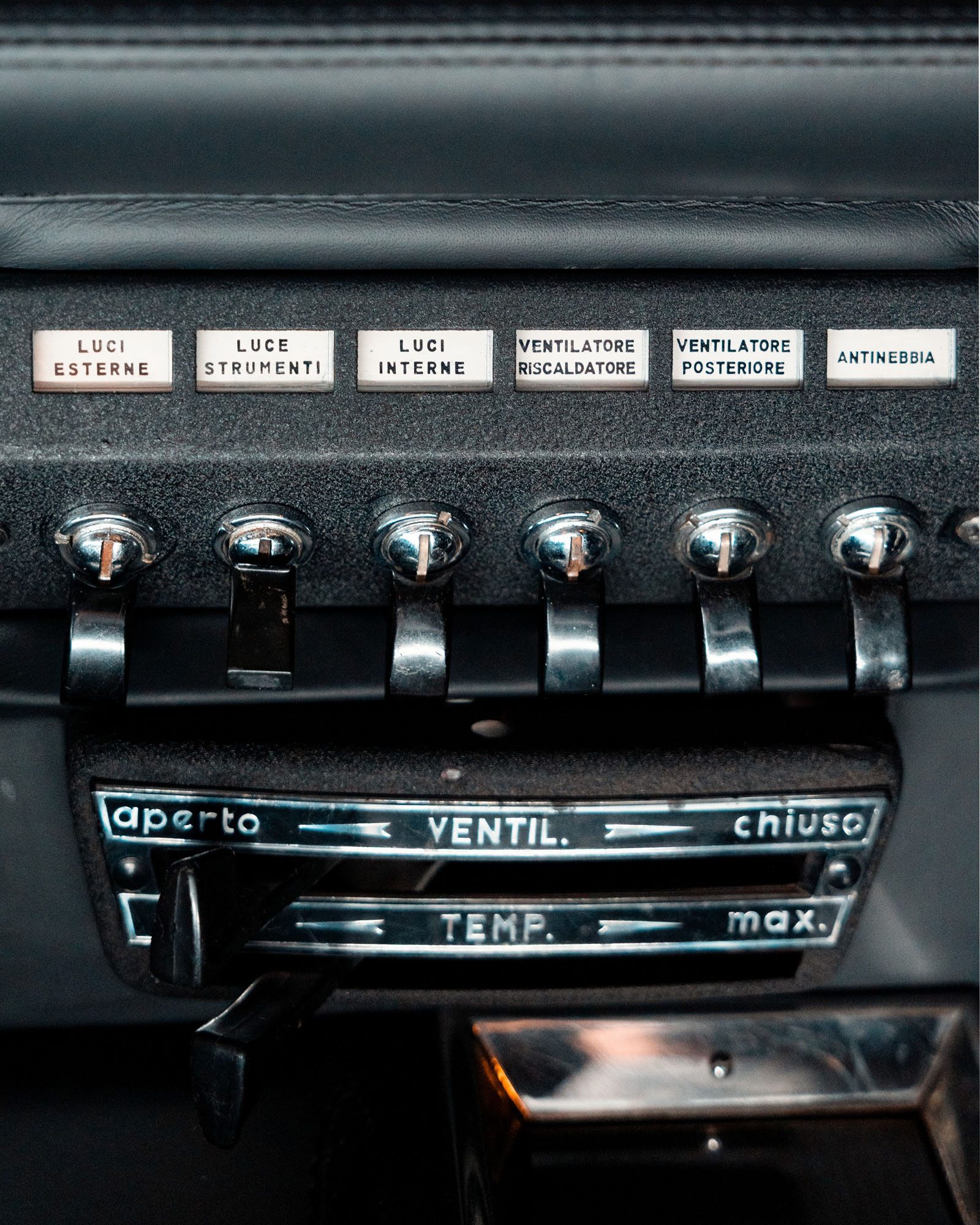
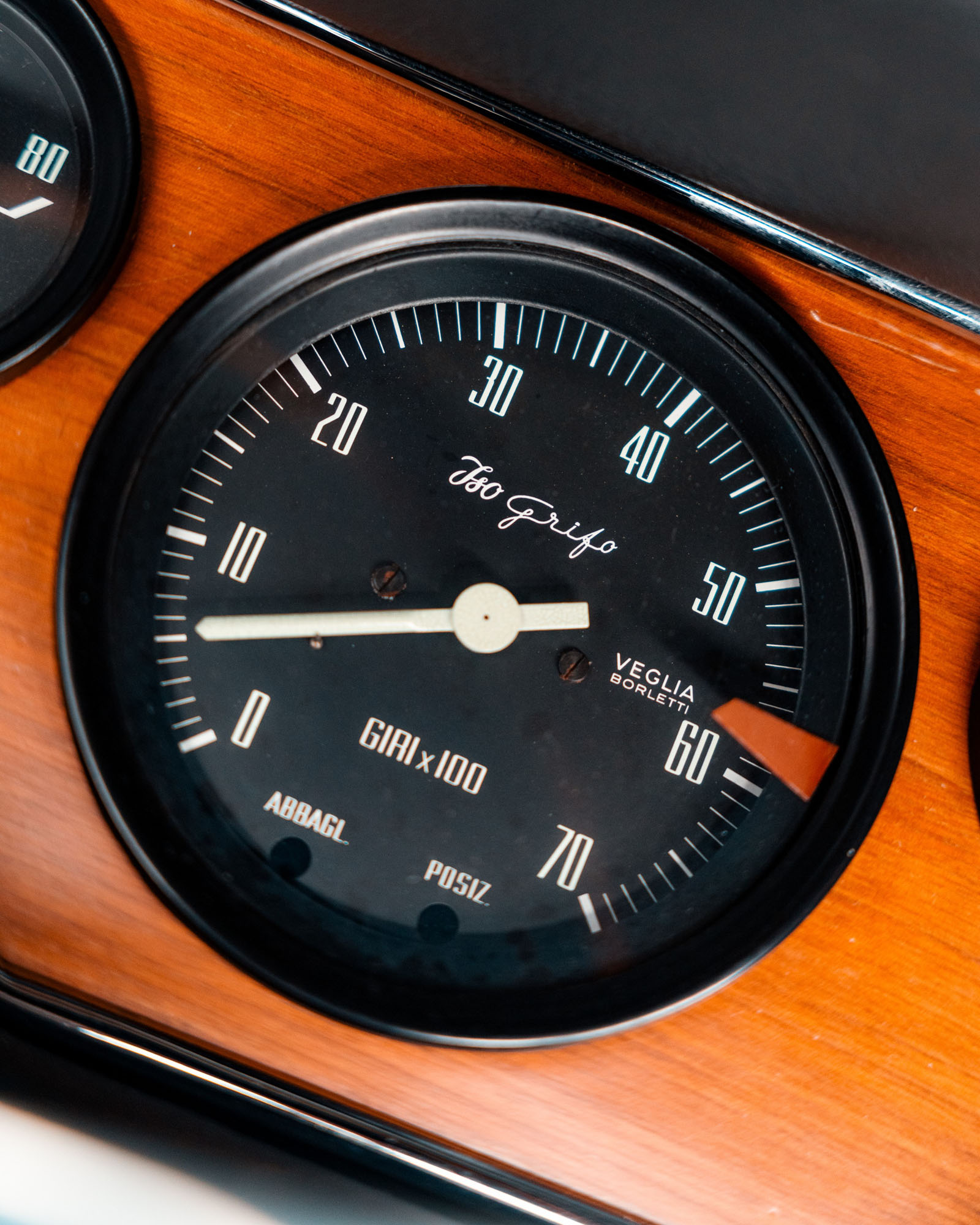
Factory-correct exterior and interior colors
Extensive documentation of maintenance work
Complete with a copy of its original build sheet
Featured in the German “ClassicCars” magazine
This mid-production first series Grifo was delivered new in Germany in January 24, 1968, in the classic configuration chosen by gentlemen who were seeking for understatement: Argento Indianapolis (silver) with black leather interior, the same colors it still sports today. Among its factory options, it's worth mentioning the rare 350 hp trim.
A little over 10 years ago, the car benefited from targeted refurbishments to the mechanicals, interior, and bodywork, always with an emphasis on preserving originality.
It has spent recent years in its country of original delivery, Germany, and was most recently owned by noted European collector Armin Pohl prior to our acquisition.
All work was carried out by renowned specialists, including Atelier Cassina in Bergamo and Bottegone Negri in Clusone. The latter is a company founded by Roberto Negri, a former Iso employee, member of the technical department and then tester. He is considered the world’s leading Iso expert. The restoration was executed to a high standard with strict respect for the originality of the car’s components.